Streamlining Logistics: Analyzing 50M Shipments in 6 Hours
6/13/2026
The Freight Firm's Dilemma: Too Much Data, Too Little Time
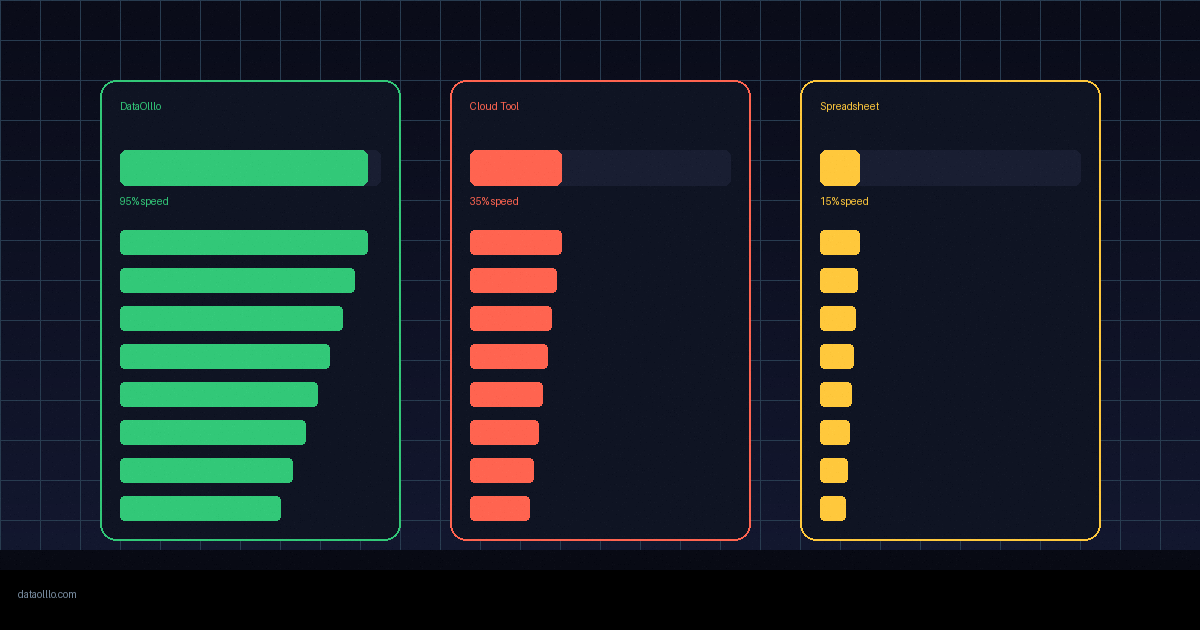
At our mid-sized freight company, we faced a daunting challenge: managing and analyzing an ever-growing mountain of shipment data. Our records had swelled to a staggering 50 million entries, with each file weighing in at around 20 gigabytes. The time delays were crippling. Our previous system, reliant on cloud-based solutions, often took days to process these files, leading to significant bottlenecks in our logistics planning and costing us both time and money.
The State of Logistics Data Analysis: A Broken System
The logistics industry is awash with data, from shipment details and delivery times to customer feedback and inventory levels. However, the current approaches to handling this data are far from ideal. Many companies, including ours, have traditionally turned to cloud-based solutions for their scalability and convenience. Yet, these solutions often come with their own set of problems. High latency, data transfer costs, and concerns over data security and compliance with regulations like HIPAA and GDPR are just a few of the issues we encountered. The broken promise of instant insights and seamless scalability left us searching for a better way.
Our Workflow: From Clunky to Streamlined
With DataOlllo, we embarked on a journey to revolutionize our data processing workflow. The first step was to bring our data back home, opting for local processing on a single, high-performance server. Here's how we did it:
-
Data Preparation: We started by consolidating our data into a single, standardized CSV format. This ensured consistency and compatibility with DataOlllo's processing capabilities.
-
Uploading to DataOlllo: Next, we uploaded the consolidated file to DataOlllo. The process was straightforward and intuitive, thanks to the user-friendly interface.
-
Configuring the Analysis: We set up our analysis parameters directly within the tool. DataOlllo's customizable options allowed us to tailor the processing to our specific needs, from filtering out irrelevant data to setting up complex queries for in-depth analysis.
-
Processing the Data: With everything in place, we initiated the processing. The speed was astonishing. What used to take days was now completed in just 6 hours. The server hummed along, efficiently handling the load without a hitch.
-
Reviewing the Results: Once processing was complete, we were able to dive into the results immediately. The insights were immediate and actionable, allowing us to make informed decisions on the spot.
The Power of Local Computing: Why It Matters
Keeping our data local was a game-changer. For one, it addressed our security concerns. With regulations like HIPAA and GDPR, ensuring data privacy is paramount. By processing data locally, we retained full control over our information, reducing the risk of breaches and ensuring compliance.
Moreover, the reduction in latency was significant. Real-time data processing became a reality, enabling us to respond to issues and opportunities faster than ever before. The cost savings were another major benefit. By eliminating the need for expensive cloud services and reducing data transfer expenses, we were able to allocate resources more effectively.
Take the Next Step: Download DataOlllo Today
If you're struggling with the same data processing challenges, it's time to consider a change. DataOlllo offers a powerful, efficient solution for local data analysis. Whether you're in logistics, healthcare, or any data-intensive field, the benefits are clear. Experience the speed, security, and savings of local computing. Download DataOlllo at dataolllo.com/download and transform your data processing workflow.